
"extremely light roast"
1000 article(s) found

Sweet and mellow Latin American Coffee Variety characteristics introduction of Fine Coffee beans in Manor
Latin America (Latin America) in 1721 French naval officer de Klee (Gabriel Mathieu de Clieu) experienced difficulties and obstacles to bring the first coffee sapling from Africa to the Latin American island of Martinique, which was the origin of coffee cultivation in Latin America. Because at that time, France was under the reign of the Bourbon dynasty, and Elaraby was grown in Latin America.

Description of Coffee Bean Flavor in Latin America introduction to Grinding scale of Variety characteristics in Manor area
Latin American coffee bean flavor description manor regional characteristics grinding scale introduction Guatemala aroma 3.5 minutes brightness 4.5 minutes mellow 3.5 minutes flavor 4.5 minutes aftertaste 4.5 points suitable for roasting degree: Light/Medial/City shallow roasting, city degree can best show the characteristics of Guatemalan coffee, too deep will reduce the fruit aroma, if you like the smoky taste

What's the difference between light roasting and deep roasting of coffee?
I think the debate between deep roasting and light roasting will last forever, because the choice of roasting degree of coffee marks the roaster's understanding of the flavor of coffee. Uncle Dou personally believes that deep roasting and light roasting do not need and should not be unified across the board. Roasters have a variety of understandings of coffee, even if they belong to the same shallow roasters.

What are the types of coffee beans? what are the varieties of coffee beans?
Producing area of Blue Mountain Coffee beans: the Blue Mountain is a mountain area with an altitude of more than 1000 meters. The best Blue Mountain (the highest grade) is named after the Blue Mountain at an altitude of 2256 meters. It is planted on a slope of 80 meters to 1500 meters, with a grade of NO.1,NO.2,NO.3. Characteristics: fragrance-strong, sweet-strong, acid-weak, alcohol-strong, bitter-soft. Hawaiian Kona Coffee Bean Origin: Xia Wei

Fine Coffee study Coffee Custom Tour
The custom of coffee in the Middle East is to stick to the basic way of drinking coffee. People roast the coffee beans so deep that they are nearly dark, then grind them into a very fine powder, boil them several times, and then add sugar to produce coffee that is extremely thick, bitter, sweet and precipitate. people will sip this coffee leisurely in an elegant and courteous manner. Coffee custom touches southern Europeans and urban areas of Latin America

Which varieties of coffee beans taste better?
Producing area of Blue Mountain Coffee beans: the Blue Mountain is a mountain area with an altitude of more than 1000 meters. The best Blue Mountain (the highest grade) is named after the Blue Mountain at an altitude of 2256 meters. It is planted on a slope of 80 meters to 1500 meters, with a grade of NO.1,NO.2,NO.3. Characteristics: fragrance-strong, sweet-strong, acid-weak, alcohol-strong, bitter-soft. Hawaiian Kona Coffee Bean Origin: Xia Wei

Introduction to the roasting degree of coffee, taste and flavor
Seventeen, Santos coffee: mainly produced in Sao Paulo, Brazil. Sweet, sour and bitter are neutral, moderately sour, special and elegant. Coffee: produced in Java, Indonesia, belonging to Arabica coffee. After baking, the bitter taste is extremely strong and the aroma is very light, without sour taste. Guatemala coffee: with excellent sour and sweet taste, smooth and smooth, is the best material for mixed coffee, suitable for depth
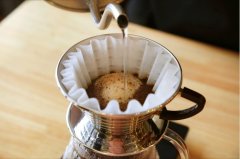
The difference between dark roast and light roast coffee
Should the coffee be roasted or fried? There has been a heated debate in the coffee industry about whether a particular coffee is dark or light roasted, with roasters who favor light roasting arguing that coffee beans should be lightly roasted to maximize the flavor of the coffee, especially among younger roasters. Indeed, we also note that with the world
Introduction to the variety of coffee beans in El Salvador
Java coffee: Origin: Sumatra, Indonesia. It belongs to Arabica. After baking, the bitter taste is extremely strong and the aroma is very light, without sour taste. Conna Coffee: Origin: Connor area, Hawaii. The coffee beans cultivated by volcanic lava have a slightly wine aroma and a very unique flavor. Santos Coffee: mainly produces Brazil, Sao Paulo. Sweet, sour and bitter are neutral and moderately sour
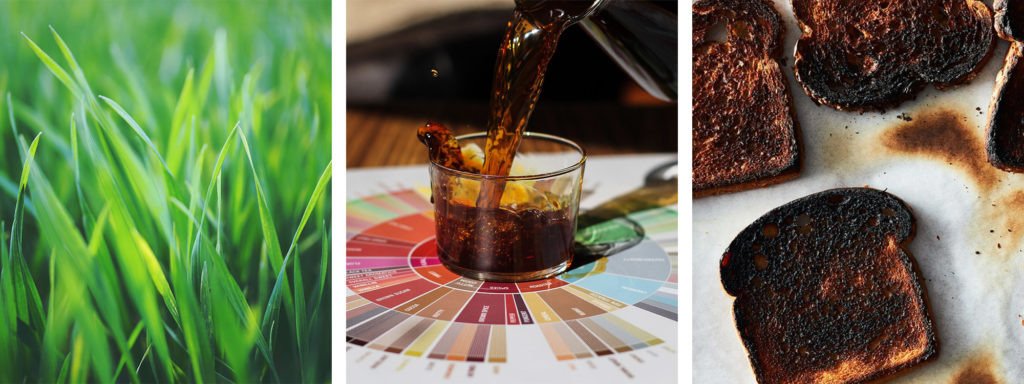
The development stage and color of coffee roasting-what is complete and incomplete development?
Professional coffee knowledge exchange more coffee bean information Please pay attention to the coffee workshop (Wechat official account cafe_style) Coffee roasting there are three floating roasting degree indicators: color, development and baking temperature. Today, let's put aside the temperature with the greatest difference and discuss the development and color of coffee. There are many color criteria about the degree of roasting in coffee roasting.

How long is the best time to use coffee beans after roasting-Starbucks concentrated roasted coffee beans
How long to use the best coffee beans after roasting-Starbucks concentrated roasted coffee beans when the steaming is over, the coffee beans will quickly change from white to yellowish light brown, and the coffee beans will continue to absorb heat to reach an explosion, and the coffee beans will expand from steaming to shrink dehydration. At this time, the moisture of the coffee beans will decrease rapidly, and when the heat absorption reaches the extreme point of the coffee itself, there will be an explosive reaction.

Why does coffee taste good? coffee smells good.
Why is coffee bitter? It is strange that people still fail to figure out why coffee is bitter. It is true that caffeine is bitter, but because it tastes light, caffeine is not the real source of coffee bitterness. Scientists have found that coffee also contains two other bitter substances: chlorogenic acid lactone and phenyllindane. The former is abundant in light and moderately roasted coffee, while the latter is deeply roasted.

Coffee lovers have different drinking habits and preferences.
People in the Middle East cling to the traditional way of drinking, roasting coffee beans deep to near dark (DarkRoast), usually ground into a very fine powder, and then boil several times and then add sugar to form a small cup of coffee that is extremely thick, bitter, sweet and precipitated. People sipped the small cup of coffee in an elegant and courteous manner. Southern Europeans and urban Latin America
Coffee Customs of countries in Coffee Culture in the World
The custom of coffee in the Middle East is to stick to the basic way of drinking coffee. People roast the coffee beans so deep that they are nearly dark, then grind them into a very fine powder, boil them several times, and then add sugar to produce coffee that is extremely thick, bitter, sweet and precipitate. people will sip this coffee leisurely in an elegant and courteous manner. The custom of coffee in the urban areas of southern Europe and Latin America is a habit

The relationship between roasting degree and grinding degree of coffee the lighter the roasting degree of coffee beans is, the finer the grinding degree of coffee is.
Professional coffee knowledge exchange more coffee bean information Please follow the coffee workshop (Wechat official account cafe_style) how to judge and set the grinding degree of espresso fresh coffee raw beans are emerald green, raw beans must be roasted, ground into powder, and then brewed before they become coffee in our cups. It's mentioned in a book devoted to coffee, coffee.

What is the custom of drinking coffee in various countries?
The custom of coffee in the Middle East is to stick to the basic way of drinking coffee. People roast the coffee beans so deep that they are nearly dark, then grind them into a very fine powder, boil them several times, and then add sugar to produce coffee that is extremely thick, bitter, sweet and precipitate. people will sip this coffee leisurely in an elegant and courteous manner. The custom of coffee in the urban areas of southern Europe and Latin America is a habit
The difference between deep roasting and light roasting of coffee
Should the coffee be roasted deep or stir-fried? There has been a heated debate in the coffee industry about whether a certain type of coffee is deep-roasted or light-roasted. Roasters who support light roasting think that coffee beans should be roasted lightly, so as to maximize the flavor of this coffee. In particular, some young coffee roasters are very supportive of shallow roasting. Indeed, we have also noticed that with the world

What kind of coffee beans do you have? what is the taste of coffee from the origin of coffee?
The blue mountain area with an altitude of more than 1000 meters, the best blue mountain (the highest grade) is named after the blue mountain with an elevation of 2256 meters. It is planted on a slope of 80 meters to 1500 meters, with a grade of NO.1,NO.2,NO.3. Characteristics: fragrance-strong, sweet-strong, acid-weak, alcohol-strong, bitter-soft. Hawaii Kona Coffee Bean Origin: Hawaii is perfect in shape, full and shiny

Introduction to varieties of grinding scale for detailed description of acidity and taste of Latin American coffee beans
Characteristics of Latin American coffee beans acidity, taste description, grinding scale variety introduction Costa Rica (Costa Rica) aroma 3.5 minutes brightness 4.5 minutes mellow 3 minutes flavor 4.5 minutes aftertaste 4.5 points suitable for baking degree: if Light/Medial/City wants to show Costa Rican perfectly balanced flavor, you can never bake deeply, it is recommended that City degree is enough, or even the first one.

Java coffee, also known as old Java, has a stronger aroma.
Professional Coffee knowledge Exchange more information on coffee beans Please follow the coffee workshop (Wechat official account cafe_style) Java produces only a small amount of Arabica beans, most of which are imported from Africa after the rust disaster. This kind of coffee has a strong bitter taste after roasting, but the flavor is extremely light. Although the acidity is low and the taste is delicate, it is rarely used for direct drinking.